

Move over Millennials, Gen Z is here, and they’re rewriting the rules of consumer behavior. Born between 1995 and 2010, this generation represents 25% of the global population and wields $360 billion in spending power in the U.S. alone. But what truly sets them apart isn’t just their size—it’s their values. From sustainability to digital-first shopping, Gen Z is demanding a new kind of consumer experience. For brands, understanding this generation isn’t optional—it’s essential.
Gen Z is the first generation of true digital natives, having grown up with smartphones, social media, and instant access to information. They’re also the most diverse generation in history, with nearly half identifying as nonwhite. This diversity fuels their passion for inclusivity, authenticity, and sustainability. While many are still in the early stages of their careers, their influence on the consumer market is undeniable—and it’s only going to grow as they mature into the largest, wealthiest consumer cohort in history.
For manufacturers and retailers, capturing Gen Z’s loyalty means understanding their unique preferences and behaviors. This article dives into what makes Gen Z tick, their spending habits, and how they’re reshaping industries like fast-moving consumer goods (FMCG) and consumer packaged goods (CPG).
Gen Z’s Consumption Habits: A Shift in FMCG and CPG
Gen Z isn’t just buying products—they’re investing in values. This generation prioritizes transparency, sustainability, and authenticity, and they’re quick to call out brands that don’t align with their beliefs. From food and beauty to fashion and tech, Gen Z is driving a seismic shift in consumer behavior. Here’s how:
1. Health-Conscious Choices: Clean, Natural, and Functional
Gen Z isn’t just eating—they’re curating. This generation is driving a seismic shift in the food and beverage industry, prioritizing clean, natural, and functional products. Think plant-based proteins, low-sugar snacks, and organic labels. In fact, over 40% of Gen Z actively seek out “natural” or “organic” products, according to Nielsen.
What This Means for Marketers:
- Reformulate products to meet demand for clean, natural ingredients.
- Highlight health benefits in marketing campaigns.
- Explore opportunities in functional foods (e.g., protein bars, gut-health beverages).
2. Beauty and Personal Care: Clean Beauty and Influencer Power
In the beauty and personal care sector, Gen Z is reshaping the landscape. They’re heavily invested in clean beauty, favoring products that are cruelty-free, non-toxic, and formulated with natural ingredients. About 60% of Gen Z consumers prefer brands that promote ethical and sustainable practices.
But it’s not just about the product—it’s about the story behind it. Gen Z is highly influenced by social media influencers and peer reviews, with over 40% relying on user-generated content before purchasing beauty products.
What This Means for Marketers:
- Invest in clean, sustainable product lines.
- Partner with micro-influencers who resonate with Gen Z’s values.
- Encourage user-generated content and reviews to build trust
3. Sustainability and Ethical Consumption: No More Greenwashing
Sustainability isn’t just a buzzword for Gen Z—it’s a way of life. Nearly 60% of Gen Z consumers are willing to pay a premium for products that are environmentally friendly and ethically produced. However, they’re also highly critical of brands that engage in “greenwashing” (making false or exaggerated claims about their environmental practices).
This desire for transparency extends beyond food and beauty. Gen Z is driving demand for sustainable packaging, eco-friendly cleaning products, and renewable energy solutions.
What This Means for Marketers:
- Be transparent about your sustainability efforts.
- Avoid greenwashing—back up claims with concrete actions.
- Explore innovative, eco-friendly packaging solutions.
4. Digital-First Shopping: Social Commerce and Beyond
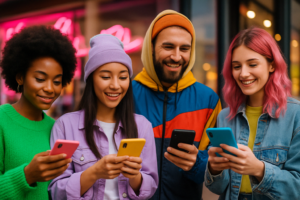
When it comes to shopping, Gen Z lives online. They’re the first generation to grow up in a fully digital world, and their purchasing habits reflect that. A staggering 75% of Gen Z consumers make at least one online purchase per month, and they’re heavily influenced by social media platforms like Instagram, TikTok, and YouTube.
Social commerce is a rapidly growing trend, with Gen Z leading the charge. They’re not just browsing—they’re buying directly through social media, spending billions annually on platforms that offer seamless, interactive shopping experiences.
What This Means for Marketers:
- Leverage social commerce by creating shoppable posts and ads.
- Focus on platforms like TikTok and Instagram, where Gen Z spends most of their time
- Create engaging, interactive content that encourages participation.
Challenges for Brands: Staying Authentic in a Gen Z World
While the opportunities are vast, appealing to Gen Z isn’t without its challenges. This generation values authenticity above all else, and they can spot a disingenuous marketing campaign from a mile away. Brands that fail to align with Gen Z’s values—or worse, try to fake it—risk being called out and losing credibility.
- Avoiding greenwashing and ensuring transparency.
- Staying culturally relevant without appearing opportunistic.
- Balancing digital engagement with genuine human connection.
Conclusion: The Future of Consumer Behavior Starts Now
Gen Z isn’t just the future of consumer behavior—they’re the present. From their unwavering commitment to sustainability to their digital-first shopping habits, this generation is reshaping industries and setting new standards for brands. The question isn’t whether your brand should adapt to Gen Z—it’s how quickly you can do it.
Ready to connect with Gen Z? Start by auditing your brand’s sustainability practices, exploring social commerce opportunities, and creating authentic, value-driven campaigns. The brands that succeed in winning over Gen Z will be the ones that don’t just sell products—they stand for something.






5 Responses
Gen Z is definitely changing the game, and it’s fascinating to see how they’re reshaping the consumer landscape. Their focus on sustainability and authenticity is something I admire, but it makes me wonder—how can smaller brands keep up with these demands? I also think it’s interesting how they’re so vocal about calling out brands that don’t align with their values; do you think this level of scrutiny is sustainable in the long run? The stat about 40% seeking out natural or organic products is impressive, but I’m curious—what happens when these products are more expensive? Will Gen Z continue to prioritize these values even if it means spending more? Finally, with their digital-first mindset, do you think traditional retail can survive, or is it destined to fade away? What’s your take on all this?
Interesting read! Gen Z is definitely making waves with their unique approach to consumer behavior. It’s fascinating how they prioritize sustainability and authenticity over just the product itself. I wonder if brands are truly ready to meet these demands or if they’re just paying lip service. The emphasis on digital-first shopping makes sense, but do you think this could alienate older generations? Also, the focus on inclusivity is refreshing, but how can brands ensure it’s genuine and not just a marketing tactic? I’m curious, do you think Gen Z’s influence will eventually shift the entire market, or will it remain a niche? What’s your take on how quickly industries can adapt to these changes?
This is such an interesting read! Gen Z is definitely making waves in the consumer world, and it’s fascinating to see how their values are reshaping industries. I love how they prioritize sustainability and authenticity—it’s refreshing to see a generation so committed to making ethical choices. The fact that they’re digital natives also explains why they’re so savvy and demanding when it comes to brands. But I wonder, how can smaller brands keep up with these expectations without compromising their identity? Also, do you think Gen Z’s influence will eventually push older generations to adopt similar values? I’d love to hear your thoughts on how this shift will evolve in the next decade!
This article really highlights how Gen Z is changing the game when it comes to consumer behavior. It’s fascinating to see how their values, like sustainability and inclusivity, are shaping industries so profoundly. I can’t help but wonder if brands are genuinely adapting to these demands or just jumping on the trend for profit. The emphasis on digital-first shopping and authenticity makes sense, but do you think older generations will eventually adopt similar habits? Also, the fact that Gen Z is reshaping the food and beauty industries with such specific preferences shows how powerful their influence is already. What’s your take on whether this shift will lead to long-term, meaningful changes in how brands operate?
It’s fascinating to see how Gen Z is reshaping consumer behavior with their unique values and priorities. Their focus on sustainability, inclusivity, and authenticity is truly inspiring and sets a new standard for brands. I love how they’re not just buying products but investing in what aligns with their beliefs—it’s a powerful shift. The fact that they’re driving changes in industries like food, beauty, and tech shows how influential they are, even at this early stage of their lives. I wonder, though, how brands can genuinely adapt to these demands without it feeling like just another marketing tactic? What do you think is the most effective way for companies to connect with Gen Z authentically? Also, do you believe this generation’s influence will continue to grow as they gain more financial power? I’d love to hear your thoughts!